

It’s the first real cold snap of the winter. You turn on the kitchen faucet and get a thin trickle, or nothing at all. If that sounds familiar, there’s a good chance you’re dealing with frozen pipes.
The good news is that a frozen pipe isn’t a burst pipe (yet). What you do in the next hour usually decides whether this ends with a hair dryer and a little patience or with water damage ruining your floors. Below, we’ll walk you through what to do if your pipes freeze: how to confirm it, how to thaw it safely, when it’s time to call a plumber and how to keep it from happening again next winter.
How to Tell If You Have a Frozen Pipe
A frozen pipe doesn’t always look like much from the outside. The first clue is usually water pressure. One faucet slows to a trickle while the rest of the house works fine, or nothing comes out anywhere.
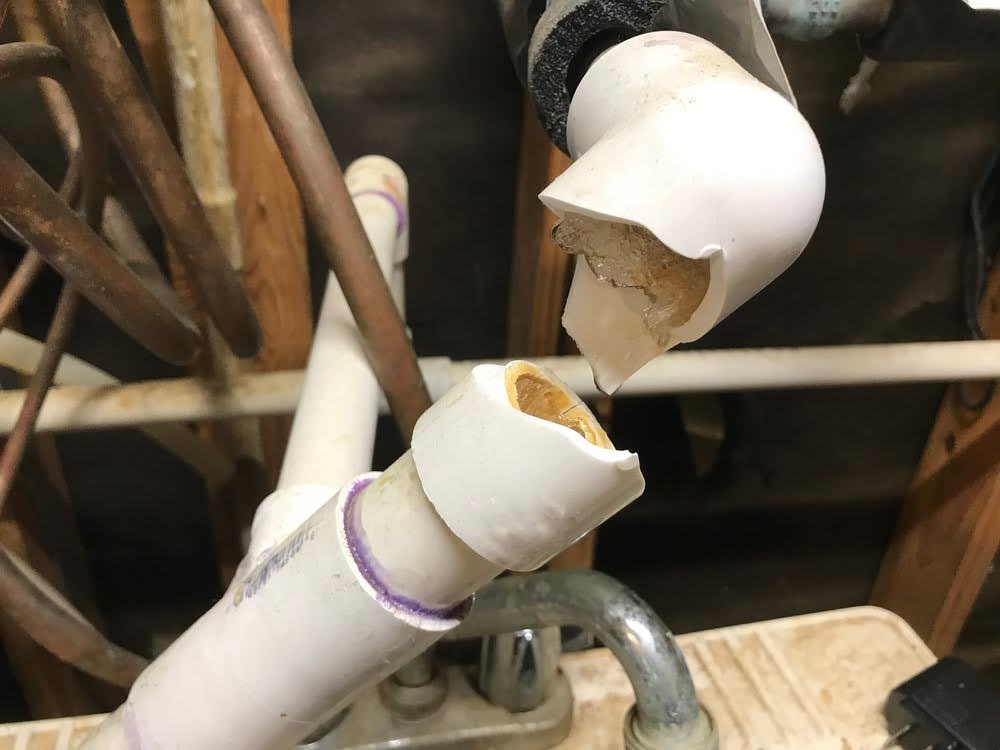
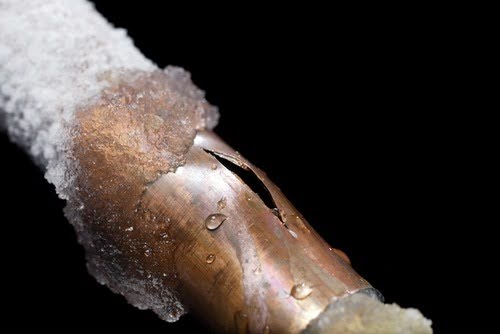
If you can see the pipe, check it for frost or a thin layer of ice. A pipe that looks swollen or split needs attention right away, since ice expands as it forms. Gurgling, banging or a sewer smell coming up from a drain can also mean ice is blocking the line.
Where Pipes Usually Freeze in Kansas Homes
The pipes most likely to freeze are the ones closest to the cold. In Wichita-area homes, that usually means pipes inside exterior walls (especially on the north side of the house), supply lines in crawl spaces and unheated garages, sinks set against an outside wall and outdoor spigots.
If only one fixture is affected, start your search there and follow the line back toward where it enters the wall or floor. That’s usually where you’ll find the frozen section.
What to Do If Your Pipes Freeze: Step by Step
Most frozen pipes can be thawed safely with a little patience and the right approach. Here’s how we’d handle it in our own homes.
1. Find Your Main Water Shutoff
Before you thaw anything, know where your main shutoff valve is. In many Kansas homes, it’s in the basement, a utility room or near the water heater. If there’s any chance the pipe has cracked, shut off the water supply first. Thawing a split pipe with the water still on can turn a small problem into a flooded room.
2. Open the Faucet
Turn on the faucet the frozen pipe feeds, both hot and cold. An open faucet relieves pressure in the line, and moving water helps melt the ice. It also tells you the moment the pipe is clear.
3. Locate the Frozen Section
Look for frost on the pipe or feel along it for the coldest spot. Pipes running through exterior walls, cabinets or crawl spaces are the usual suspects.
4. Apply Gentle, Steady Heat
Use warm air or a steady, low heat source:
- A hair dryer on a medium setting
- A space heater set a safe distance from the pipe and anything flammable
- A heating pad or electric heat tape wrapped around the pipe
- Towels soaked in hot water
Start near the faucet and work your way back toward the frozen section. That way, melting ice has an open path to drain. Keep applying heat until full water pressure comes back.
5. Know What Not to Do
Some of the fastest-sounding fixes are the most dangerous:
- Never use an open flame. Propane torches, kerosene heaters and lighters can damage the pipe and start a fire inside a wall.
- Don’t pour boiling water on the pipe. A sudden temperature change can crack it.
- Don’t leave a space heater unattended. Turn it off any time you leave the room.
- Keep electrical devices away from water. If there’s standing water near the pipe, don’t use a hair dryer or heater there.
6. Check for Leaks Once the Water Is Flowing
Once water flows again, don’t call it done just yet. Over the next few hours, check the pipe and the area around it for drips, damp drywall or water spots. A pipe can crack while frozen and only start leaking after it thaws.
When to Call a Professional for Frozen Pipe Repair
Can a plumber fix frozen pipes? Yes, and in some situations, it’s the safest call you can make. Plenty of frozen pipes are a do-it-yourself fix. These aren’t:
- You can’t find the frozen section. If you’ve checked the obvious spots and still have no water, the freeze may be somewhere you can’t see.
- The pipe is inside a wall, floor or ceiling. Heating a pipe you can’t reach is slow and risky. A plumber can thaw it safely and check for damage at the same time.
- The whole house has no water. This can point to a frozen main line where water enters your home.
- You see a crack, bulge or leak. Shut off the main water supply and call right away. A cracked pipe needs repair, not just thawing.
- The pipe won’t thaw. If you’ve applied steady heat and nothing is changing, stop before you’re tempted to try something riskier.
When you call Compass, a licensed plumber will locate the frozen section, thaw it safely and look over the line for cracks or weak spots. Then we’ll explain what we found and what, if anything, needs to be fixed, so you’re not left guessing. Learn more about our residential plumbing services.
Can Pipes Freeze If the Heat Is On?
Yes. Your thermostat measures the air in your living room, not the air around every pipe in your home. A house can feel warm while a pipe in an exterior wall, crawl space or garage sits well below freezing.
Pipes are most at risk when outdoor temperatures drop below about 20 degrees, especially during a long cold stretch. The usual culprit is plumbing that runs through an exterior wall with little or no insulation, or through a crawl space or unheated garage. Gaps where a pipe passes through an outside wall let cold drafts reach it directly.
Habits play a part too. Turning the thermostat way down at night or while you’re at work saves a little on your heating bill, but it gives those cold spots hours to drop below freezing. So does a furnace that’s struggling to keep up or quits overnight.
If your heat stopped working and that’s what led to the freeze, our team can help with that too. Learn more about our heating services.
How to Prevent Frozen Pipes This Winter
The easiest frozen pipe to deal with is the one that never freezes. A little prep before the first hard freeze goes a long way toward protecting your pipes for the long term.
Open Your Cabinet Doors
Does opening your cabinets keep pipes from freezing? It helps, as long as the sink sits on an exterior wall. Open cabinet doors let warm air from your home reach the pipes underneath. It won’t do anything for a pipe in a crawl space or garage, so think of it as one step, not the whole plan.
Let Faucets Drip During Hard Freezes
On the coldest nights, let a slow drip run from faucets fed by exposed pipes. Moving water is much harder to freeze, and an open faucet relieves pressure if ice does start to form.
Keep Your Thermostat Steady
Keep the same temperature day and night during a cold snap, even if it means a slightly higher heating bill. If you’re traveling, the American Red Cross recommends setting the thermostat no lower than 55 degrees.
Insulate Exposed Pipes
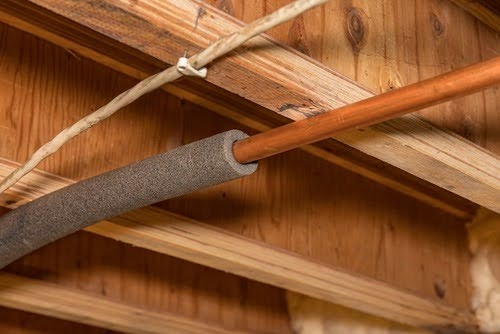
Foam pipe sleeves are inexpensive and easy to install on exposed pipes in crawl spaces, garages and attics. For pipes that freeze year after year, heat tape or heat cable is worth considering. Sealing gaps where pipes pass through exterior walls helps too.
Shut Off and Drain Outdoor Spigots
Before the first freeze, disconnect your garden hoses. If your outdoor faucets have an indoor shutoff valve, close it and open the outside spigot to let the remaining water drain out.
Winterize Your Sprinkler System
If you have an in-ground sprinkler system, the backflow preventer is one of the first things to freeze and crack in a Kansas winter. Shut off the irrigation water supply and have the lines blown out each fall.
How to Keep Pipes From Freezing During a Power Outage
Kansas ice storms have a way of knocking out power right when temperatures bottom out. If your heat goes down:
- Let faucets drip on both hot and cold lines
- Keep exterior doors and windows closed, and close off rooms you aren’t using
- Wrap exposed pipes with towels or blankets to slow heat loss
- If the outage is expected to last a long time, shut off the main water supply and open faucets to drain your lines
Never bring a generator, grill or outdoor propane heater inside to stay warm. They produce carbon monoxide, which can be deadly in an enclosed space.
Frozen Pipe? Compass Can Help
A frozen pipe is stressful, but you don’t have to figure it out alone. Compass is a locally owned plumbing, heating and cooling company serving Wichita and nearby communities, including Andover, Derby, Park City, Valley Center, Maize and Goddard. Our licensed plumbers will find the problem, fix it right and walk you through what happened so you know how to protect your home next winter.
Call us at 316-779-6378 or book a service online.
Frequently Asked Questions About Frozen Pipes
They can once temperatures climb, but waiting is a gamble. Pressure keeps building while the pipe stays frozen, and a crack can stay hidden until the ice melts and water starts flowing through it. It’s better to be proactive about thawing pipes, with the faucet open and someone watching for leaks.
It depends on where the pipe is and how much of it is frozen. An exposed pipe under a sink may clear in under an hour with steady heat. A pipe inside an exterior wall can take much longer, and that’s often when it makes sense to call a plumber.
A frozen pipe on its own is urgent but manageable. A frozen pipe that has cracked or burst is an emergency. If you see water leaking, shut off your main water supply first, then call a plumber.
It depends on your policy and the circumstances. Many policies cover sudden damage from a burst pipe but may not cover damage tied to a home left unheated. Check with your insurance agent for the details of your coverage.